Welcome to Dezhou Xuri Air Conditioning Equipment Co., Ltd!


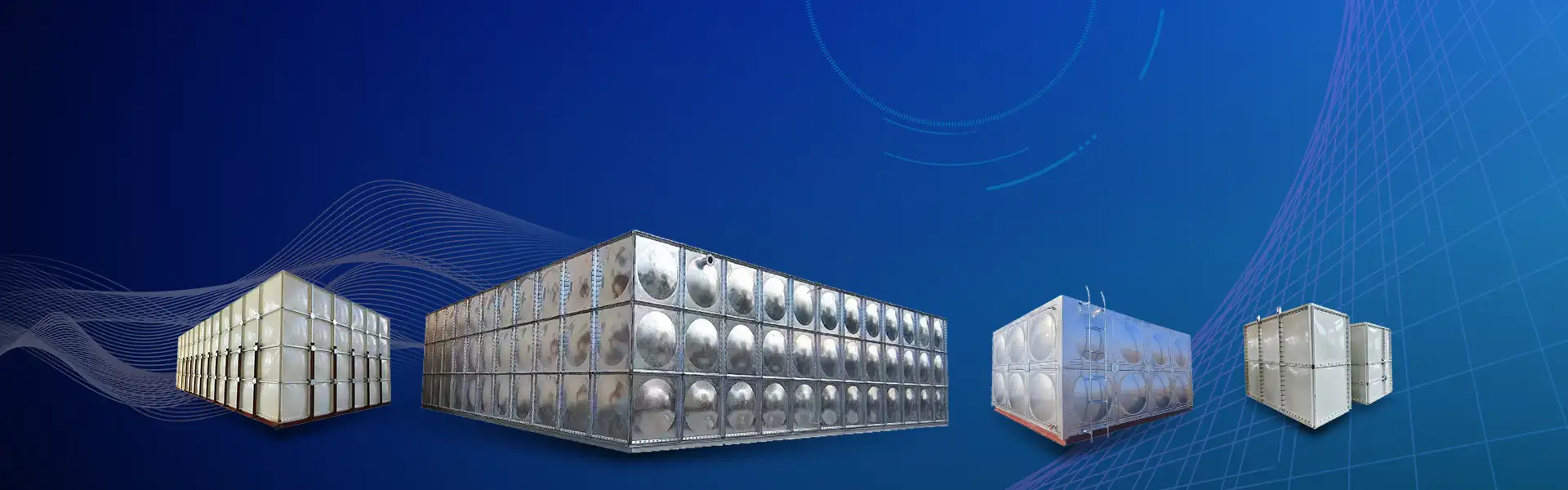
Tank Product Design and Manufacturing Specialist
Xuri Air Conditioning Equipment
Understanding the Benefits of Water Source Heat Pump Units in Modern HVAC Systems
Published Time:
2026-03-29
Author:
Source:
In the realm of heating, ventilation, and air conditioning (HVAC), water source heat pump units have emerged as an innovative and energy-efficient solution. These systems utilize water as a heat exchange medium, allowing them to provide both heating and cooling while minimizing energy consumption. One of the primary benefits of water source heat pump units is their high efficiency. By leveraging
One of the primary benefits of water source heat pump units is their high efficiency. By leveraging the relatively stable temperature of a water source—be it a lake, river, or underground water—the units can achieve higher efficiency ratings compared to traditional air-source heat pumps. This is because water typically maintains a more consistent temperature than air, which can fluctuate widely with the seasons. Consequently, the energy required to heat or cool a space is significantly reduced, leading to lower operating costs over time.
Additionally, water source heat pump units are known for their versatility. They can be installed in various settings, including residential, commercial, and industrial environments. This versatility makes them suitable for a wide range of applications, from providing comfort in homes and office buildings to supporting large-scale heating and cooling needs in industrial facilities. Moreover, these units can be integrated with other renewable energy systems, such as solar panels, further enhancing their efficiency and reducing reliance on fossil fuels.
Environmental sustainability is another crucial aspect of water source heat pump technology. By using renewable water resources for temperature regulation, these systems significantly reduce greenhouse gas emissions compared to traditional heating systems that rely on combustion methods. As society increasingly prioritizes environmental consciousness, adopting water source heat pump units can contribute to a greener future, aligning with global efforts to combat climate change.
The installation process of water source heat pump units can vary, depending on the specific site conditions and requirements. Typically, the process involves drilling wells or constructing a pond system to access the water source. While the initial setup may require a considerable investment, the long-term savings on energy bills and maintenance costs can offset this expense, making it a smart investment for homeowners and businesses alike.
In conclusion, water source heat pump units offer a range of benefits that make them a compelling choice in the HVAC industry. Their energy efficiency, versatility, and positive environmental impact position them as a sustainable solution for heating and cooling needs. As technology continues to evolve and more people seek out eco-friendly solutions, water source heat pump units are likely to play an increasingly prominent role in modern HVAC systems. Whether you are considering an upgrade for your home or looking for solutions for a commercial project, understanding the advantages of these systems can help you make informed decisions that benefit both your wallet and the planet.
Keyword:
water source heat pump unit
Latest News
Inquire about product solutions immediately
If you are interested in our products, please submit your requirements immediately, and we will arrange professionals to serve you.
Factory Address: Luquntun Industrial Development Zone, Wucheng, Dezhou City, Shandong Province