Welcome to Dezhou Xuri Air Conditioning Equipment Co., Ltd!


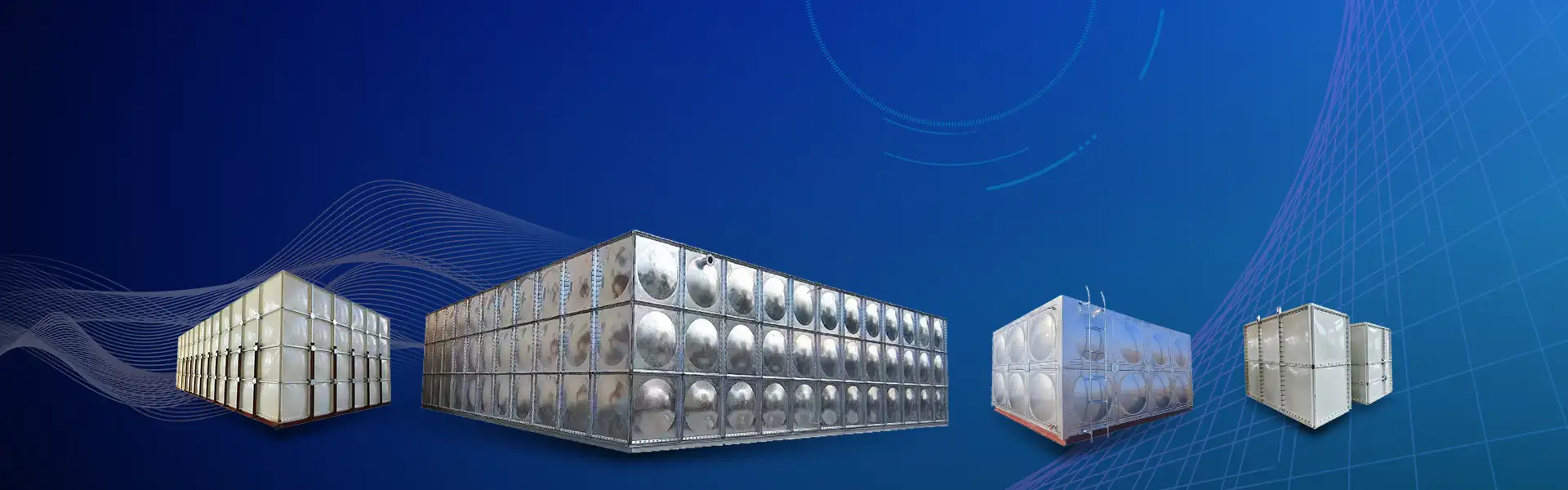
Tank Product Design and Manufacturing Specialist
Xuri Air Conditioning Equipment
The Role of Heat Pump Fresh Air Exchange Units in Sustainable Living
Published Time:
2026-03-26
Author:
Source:
The Role of Heat Pump Fresh Air Exchange Units in Sustainable Living Introduction to Sustainable Living and Indoor Air Quality In the quest for **sustainable living**, the quality of indoor air plays a crucial role. Today, as we become increasingly aware of our environmental impact, we seek solutions that not only reduce our carbon footprint but also enhance our health and comfort. One such soluti
The Role of Heat Pump Fresh Air Exchange Units in Sustainable Living
Introduction to Sustainable Living and Indoor Air Quality
In the quest for **sustainable living**, the quality of indoor air plays a crucial role. Today, as we become increasingly aware of our environmental impact, we seek solutions that not only reduce our carbon footprint but also enhance our health and comfort. One such solution is the implementation of **heat pump fresh air exchange units**. These systems are designed to improve indoor air quality while minimizing energy consumption, making them a cornerstone of modern sustainable living practices.
Understanding Heat Pump Fresh Air Exchange Units
Heat pump fresh air exchange units combine the principles of heat pumps and ventilation systems. They are designed to constantly exchange stale indoor air with fresh outdoor air while recovering heat energy from the outgoing air. This process not only ensures a supply of clean air but also reduces the energy required to heat or cool that air.
How Heat Pump Systems Work
Heat pump systems operate by transferring heat rather than generating it. For heating, they extract heat from the outside air, even in colder months, and bring it indoors. Conversely, for cooling, they remove heat from the indoor air and release it outside. By integrating a fresh air exchange unit, these systems facilitate continuous ventilation, ensuring that indoor spaces remain healthy and comfortable.
The Benefits of Fresh Air Exchange
1. **Improved Indoor Air Quality**: Continuous air exchange removes pollutants, allergens, and excess humidity, contributing to a healthier indoor climate.
2. **Energy Efficiency**: By utilizing the energy from outgoing air, heat pump fresh air exchange units require significantly less energy to operate compared to traditional HVAC systems.
3. **Comfort and Health**: Improved ventilation reduces the risk of respiratory issues and allergens, enhancing overall well-being.
The Environmental Impact of Heat Pump Fresh Air Exchange Units
Embracing heat pump fresh air exchange units can lead to significant environmental benefits. By reducing energy consumption and improving indoor air quality, these systems contribute to a more sustainable lifestyle.
Energy Consumption and Carbon Footprint Reduction
Heat pumps are known for their energy efficiency. They can save up to **50%** on heating and cooling costs compared to conventional systems. By reducing the reliance on fossil fuels for heating and cooling, they contribute to a lower carbon footprint, aligning with global goals for reducing greenhouse gas emissions.
Supporting Renewable Energy Integration
Incorporating heat pump systems encourages the use of renewable energy sources. When paired with solar panels or wind energy, heat pumps can operate almost entirely on renewable energy, further enhancing their sustainability profile.
Key Features of Heat Pump Fresh Air Exchange Units
Understanding the specific features of heat pump fresh air exchange units can help homeowners make informed decisions when considering these systems for their homes.
Energy Recovery Ventilation (ERV)
One standout feature of many heat pump fresh air exchange units is **Energy Recovery Ventilation (ERV)**. This system captures the heat and humidity from outgoing air and transfers it to incoming air, ensuring minimal energy loss and maintaining a stable indoor climate.
Variable Speed Fans
Modern heat pump systems often include **variable speed fans**, which adjust airflow based on indoor air quality needs. This feature enhances comfort and energy efficiency by optimizing air exchange rates.
Smart Technology Integration
Many heat pump fresh air exchange units now come equipped with smart technology, allowing users to monitor and control their systems remotely. This capability provides convenience and ensures optimal performance based on real-time data.
Installation and Maintenance of Heat Pump Fresh Air Exchange Units
Proper installation and maintenance are essential to maximizing the benefits of heat pump fresh air exchange units.
Choosing the Right System for Your Home
Selecting the appropriate unit involves evaluating your home’s size, insulation, and existing HVAC system. Consulting with professionals can help ensure you choose a system that meets your specific needs.
Routine Maintenance for Optimal Performance
Regular maintenance, including filter changes and system checks, is crucial for optimal performance. Homeowners should schedule annual inspections with qualified technicians to ensure the system operates efficiently and effectively.
The Economic Benefits of Heat Pump Fresh Air Exchange Units
Investing in heat pump fresh air exchange units can have a positive economic impact beyond energy savings.
Long-Term Cost Savings
While the initial investment might be higher than traditional HVAC systems, the energy savings can lead to substantial long-term cost benefits. Homeowners may also qualify for tax credits or incentives for installing energy-efficient systems.
Increased Property Value
As more buyers seek energy-efficient homes, the installation of heat pump fresh air exchange units can increase property value. Homes equipped with sustainable technologies often attract higher resale prices and faster sales.
Challenges and Considerations
Despite their numerous benefits, there are challenges to consider when implementing heat pump fresh air exchange units.
Initial Costs and Incentives
The upfront costs of purchasing and installing heat pump systems can be prohibitive for some homeowners. However, various government incentives and rebates are available to offset these costs, making the transition more financially viable.
Climate Considerations
The effectiveness of heat pump systems can vary based on geographic location and climate. In extremely cold climates, additional heating sources may be necessary to maintain comfort levels.
Real-World Applications and Case Studies
Examining real-world applications of heat pump fresh air exchange units can illustrate their effectiveness in sustainable living practices.
Residential Case Studies
Many homeowners have successfully integrated these systems into their residences, reporting a noticeable improvement in indoor air quality and energy bills. These case studies provide valuable insights into the practical benefits of heat pump technology.
Commercial Use Cases
Businesses increasingly adopt heat pump systems for their energy efficiency and environmental benefits. Case studies from commercial settings showcase significant cost savings and enhanced employee comfort.
Future Trends in Heat Pump Technology
The future of heat pump technology is promising, with ongoing advancements aimed at increasing efficiency and usability.
Integration with Smart Home Systems
As smart home technology continues to evolve, we can expect more heat pump systems to integrate with home automation systems. This integration will allow for seamless control and optimization of indoor air quality and energy use.
Advancements in Materials and Design
Innovations in materials and design are likely to improve the efficiency and aesthetics of heat pump fresh air exchange units. Lighter, more durable materials will facilitate easier installation and maintenance.
Conclusion
Heat pump fresh air exchange units represent a significant step toward sustainable living, offering enhanced indoor air quality, substantial energy savings, and a reduced carbon footprint. By embracing these innovative systems, homeowners can contribute to a healthier environment while enjoying the comfort of well-ventilated spaces. The integration of smart technology and ongoing advancements in the field will only enhance the viability of these systems in promoting sustainable practices. As we move forward, investing in such technologies will undoubtedly play a crucial role in shaping a sustainable future.
FAQs
1. What is a heat pump fresh air exchange unit?
A heat pump fresh air exchange unit is a system that continually exchanges stale indoor air with fresh outdoor air while recovering heat energy from the outgoing air.
2. How do heat pump systems improve indoor air quality?
They improve indoor air quality by continuously removing pollutants, allergens, and excess humidity, ensuring a healthier living environment.
3. Are heat pump fresh air exchange units energy-efficient?
Yes, these systems are known for their energy efficiency, often reducing energy consumption by up to 50% compared to traditional HVAC systems.
4. What are the maintenance requirements for heat pump systems?
Routine maintenance includes changing filters, checking system components, and scheduling annual inspections with qualified technicians.
5. Can heat pump systems operate in cold climates?
Yes, heat pumps can function in cold climates, but their efficiency may be affected. In some cases, additional heating sources may be necessary to maintain comfort levels.
Keyword:
heat pump fresh air exchange unit
Latest News
Inquire about product solutions immediately
If you are interested in our products, please submit your requirements immediately, and we will arrange professionals to serve you.
Factory Address: Luquntun Industrial Development Zone, Wucheng, Dezhou City, Shandong Province