Welcome to Dezhou Xuri Air Conditioning Equipment Co., Ltd!


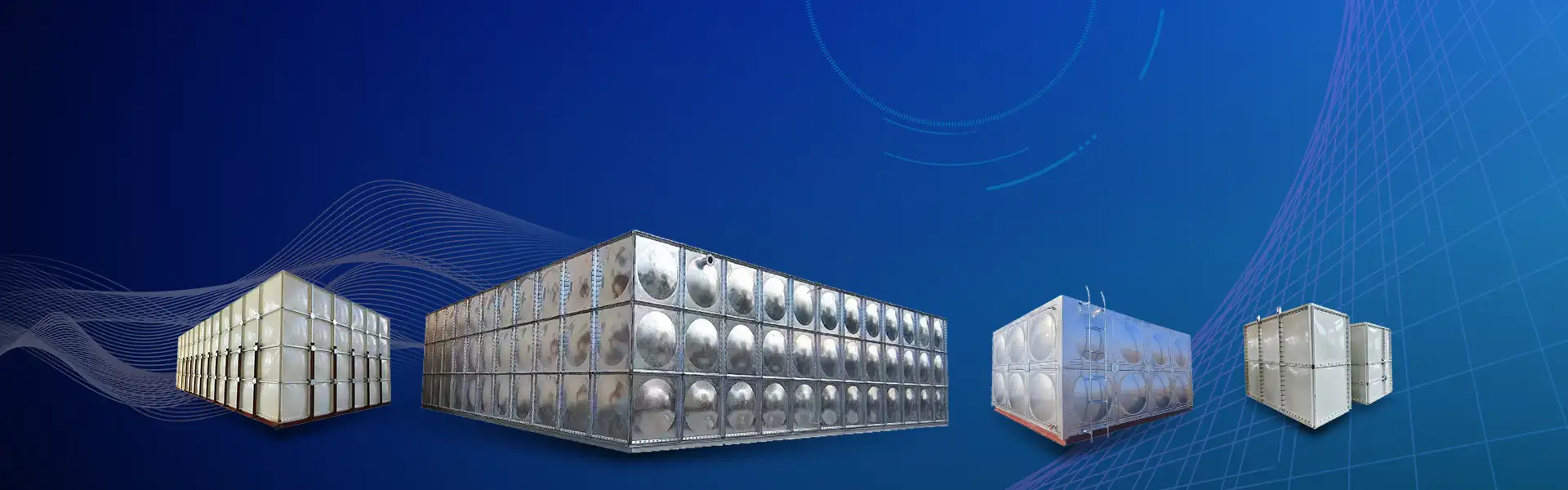
Tank Product Design and Manufacturing Specialist
Xuri Air Conditioning Equipment
Understanding Water Source Heat Pump Units: An Eco-Friendly HVAC Solution
Published Time:
2026-08-26
Author:
Source:
Water source heat pump units (WSHPUs) represent a significant advancement in energy-efficient heating, ventilation, and air conditioning (HVAC) technology. These systems utilize water as a heat exchange medium, offering a sustainable alternative to traditional heating and cooling methods. This article delves into the components, functionality, and advantages of water source heat pump units, provid
At the core of a water source heat pump unit is its ability to efficiently transfer thermal energy to and from a water source, such as lakes, rivers, or underground aquifers. This process is achieved through a closed-loop system where the heat pump circulates a refrigerant through evaporator and condenser coils submerged in the water. During the heating cycle, the heat pump extracts warmth from the water and transfers it indoors, while in cooling mode, it dissipates heat from the interior back to the water source.
One of the primary advantages of water source heat pump units is their energy efficiency. By leveraging stable water temperatures, these units can achieve higher coefficients of performance (COP) compared to air-source heat pumps, especially in extreme weather conditions. This efficiency translates to lower energy consumption and reduced utility bills for end users. Additionally, as a renewable energy technology, water source heat pump units contribute to reducing greenhouse gas emissions, making them an environmentally friendly choice for heating and cooling.
Another noteworthy benefit of WSHPUs is their versatility in installation. They can be utilized in various settings including residential buildings, commercial properties, and industrial facilities. The integration of water source heat pumps into centralized systems allows for better temperature control and zoning, enhancing overall comfort. Moreover, these units can also provide hot water for domestic use, further maximizing their utility.
However, the implementation of a water source heat pump unit requires careful consideration of site conditions and resource availability. The design and installation process should take into account the characteristics of the water source, including its temperature and flow rate, as well as local climate conditions. Proper sizing and configuration are crucial for optimizing performance and ensuring longevity.
In summary, water source heat pump units present a compelling option for those seeking efficient and sustainable heating and cooling solutions. With their ability to harness natural water resources, these systems not only provide comfort but also play a pivotal role in promoting energy efficiency and environmental stewardship. As advancements in HVAC technology continue to evolve, understanding the capabilities and benefits of water source heat pumps will be essential for industry professionals looking to stay ahead in a competitive market.
Keyword:
water source heat pump unit
Latest News
Inquire about product solutions immediately
If you are interested in our products, please submit your requirements immediately, and we will arrange professionals to serve you.
Factory Address: Luquntun Industrial Development Zone, Wucheng, Dezhou City, Shandong Province