Welcome to Dezhou Xuri Air Conditioning Equipment Co., Ltd!


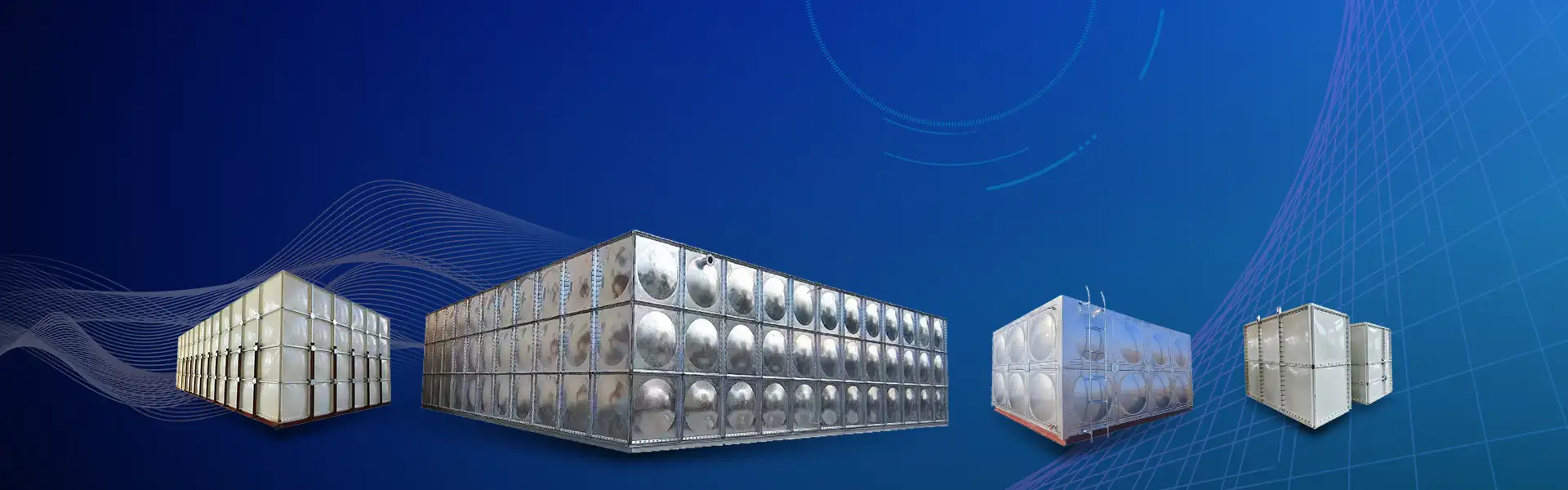
Tank Product Design and Manufacturing Specialist
Xuri Air Conditioning Equipment
Revolutionizing Indoor Air Quality: The Innovative Technology Behind Total Heat Recovery Ventilation Units
Published Time:
2026-08-17
Author:
Source:
Revolutionizing Indoor Air Quality: The Innovative Technology Behind Total Heat Recovery Ventilation Units Table of Contents 1. Introduction to Total Heat Recovery Ventilation Units 2. Understanding the Mechanism of Heat Recovery 3. Benefits of Total Heat Recovery Ventilation Units 4. Applications in Residential and Commercial Settings 5. Energy Efficiency and Cost Savings 6. Innovati
Revolutionizing Indoor Air Quality: The Innovative Technology Behind Total Heat Recovery Ventilation Units
Table of Contents
- 1. Introduction to Total Heat Recovery Ventilation Units
- 2. Understanding the Mechanism of Heat Recovery
- 3. Benefits of Total Heat Recovery Ventilation Units
- 4. Applications in Residential and Commercial Settings
- 5. Energy Efficiency and Cost Savings
- 6. Innovative Technologies in Total Heat Recovery Ventilation
- 7. Future Trends in Indoor Air Quality and Ventilation Technology
- 8. Frequently Asked Questions (FAQs)
- 9. Conclusion
1. Introduction to Total Heat Recovery Ventilation Units
Total Heat Recovery Ventilation Units (THRVUs) represent a significant leap forward in the quest for improved indoor air quality and energy efficiency in heating, ventilation, and air conditioning (HVAC) systems. These innovative units work by capturing heat from outgoing stale air and using it to pre-warm incoming fresh air, thereby reducing the energy required for heating. This process not only enhances comfort levels but also minimizes energy waste, making THRVUs a smart choice for both residential and commercial applications.
As we delve deeper, we'll explore the intricate mechanics of THRVUs, their numerous benefits, applications, and the cutting-edge technologies that are shaping their future.
2. Understanding the Mechanism of Heat Recovery
At the heart of Total Heat Recovery Ventilation Units lies the principle of heat recovery. This technology operates using a heat exchanger, which is the core component that allows the transfer of thermal energy between two airstreams—exhaust air and supply air.
How Heat Exchangers Work
Heat exchangers in THRVUs generally come in two types: sensible and enthalpy. Sensible heat exchangers transfer only thermal energy, while enthalpy exchangers transfer both thermal energy and moisture. This capability is particularly advantageous in climates with significant temperature and humidity variations.
1. **Sensible Heat Recovery**: When warm stale air is expelled from a building, it passes through the heat exchanger, warming the incoming cool air without mixing the two streams. This process maintains indoor air quality while reducing the energy load on heating systems.
2. **Enthalpy Heat Recovery**: In addition to thermal energy, enthalpy exchangers can transfer moisture between the two airstreams. This feature is beneficial in situations where humidity control is crucial, helping to maintain comfort levels without over-reliance on air conditioning systems.
3. Benefits of Total Heat Recovery Ventilation Units
The adoption of Total Heat Recovery Ventilation Units comes with a multitude of benefits that extend beyond mere energy savings.
Enhanced Indoor Air Quality
THRVUs provide a continuous supply of fresh air, which is crucial for maintaining good indoor air quality. By eliminating stale air and pollutants, these systems help to reduce allergens and irritants, creating a healthier space for occupants.
Energy Efficiency and Sustainability
By recovering heat from exhaust air, THRVUs significantly reduce the energy needed to heat incoming air. This efficiency translates into lower utility bills and a reduced carbon footprint, aligning with global sustainability goals.
Improved Comfort Levels
These units help maintain consistent indoor temperatures, which enhances comfort. By pre-conditioning the incoming air, THRVUs ensure that spaces are not subjected to sudden temperature changes, providing a more pleasant environment.
Reduced Dependence on Conventional HVAC Systems
With the added efficiency of heat recovery, buildings can rely less on traditional HVAC systems, which can lead to a longer lifespan for these systems and lower maintenance costs over time.
4. Applications in Residential and Commercial Settings
Total Heat Recovery Ventilation Units are versatile and can be integrated into various buildings, including residential homes, commercial offices, and industrial facilities.
Residential Applications
In residential settings, THRVUs are particularly beneficial for energy-efficient homes. As more homeowners seek sustainable solutions, integrating these units can enhance comfort while lowering energy bills. They can be installed in new constructions or retrofitted into existing homes.
Commercial Applications
In commercial buildings, THRVUs provide essential ventilation in environments such as offices, schools, and hospitals. These units help manage humidity levels in restrooms or kitchen areas while maintaining a healthy indoor climate for employees and patrons.
5. Energy Efficiency and Cost Savings
One of the most compelling reasons for adopting Total Heat Recovery Ventilation Units is the substantial energy savings they provide.
Calculating Energy Savings
The energy savings from THRVUs can be quantified through the concept of "enthalpy recovery efficiency." This metric gauges how effectively a unit can recover heat. According to studies, THRVUs can achieve energy savings of 60% to 90% compared to conventional ventilation methods.
Long-Term Financial Benefits
While the initial investment in THRVUs may be higher than traditional systems, the long-term savings on energy and maintenance costs make them a financially sound choice. Additionally, many governments offer incentives for energy-efficient installations, further offsetting costs.
6. Innovative Technologies in Total Heat Recovery Ventilation
The field of Total Heat Recovery Ventilation is rapidly evolving, with several innovative technologies making their way into the market.
Smart Controls and Sensors
Increasingly, THRVUs are equipped with smart controls and sensors that monitor indoor air quality and adjust ventilation rates accordingly. This level of automation enhances energy efficiency and ensures optimal indoor conditions.
Integration with Building Management Systems (BMS)
Modern THRVUs can be integrated with Building Management Systems to provide seamless control over HVAC operations. This integration allows for enhanced monitoring and management, further elevating energy efficiency and operational reliability.
7. Future Trends in Indoor Air Quality and Ventilation Technology
As awareness of indoor air quality continues to rise, the demand for innovative ventilation solutions like THRVUs will only grow. Future trends may include:
Increased Use of Renewable Energy
The integration of renewable energy sources, such as solar panels, with THRVUs will further enhance energy efficiency, allowing buildings to operate more sustainably.
Enhanced Filtration Systems
Advancements in filtration technology will complement the air exchange process in THRVUs, ensuring that incoming air is not only fresh but also free from harmful pollutants.
Focus on Health and Well-being
As more studies link indoor air quality to health outcomes, future developments will likely prioritize systems that maximize occupant health, comfort, and overall well-being.
8. Frequently Asked Questions (FAQs)
1. What is the main purpose of a Total Heat Recovery Ventilation Unit?
The primary purpose of a THRVU is to efficiently exchange indoor and outdoor air while recovering heat from the exhaust air to pre-condition incoming air, enhancing energy efficiency and indoor air quality.
2. Are Total Heat Recovery Ventilation Units suitable for all climates?
Yes, THRVUs can be adapted to suit various climates. In humid environments, enthalpy exchangers are particularly beneficial for regulating indoor humidity levels.
3. How do I maintain a Total Heat Recovery Ventilation Unit?
Regular maintenance involves cleaning or replacing filters, checking the heat exchanger for efficiency, and ensuring that the unit is functioning properly. Professional servicing may be required annually.
4. Can THRVUs operate in tandem with conventional HVAC systems?
Yes, THRVUs can work alongside traditional HVAC systems, providing additional ventilation and reducing the overall energy load on those systems.
5. What are the cost implications of installing a Total Heat Recovery Ventilation Unit?
While initial costs may be higher than conventional systems, the long-term savings on energy bills and maintenance costs can offset the investment significantly.
9. Conclusion
Total Heat Recovery Ventilation Units represent a transformative approach to indoor air quality and energy efficiency. By harnessing the power of heat recovery, these systems not only improve comfort levels but also contribute to significant energy savings and environmental sustainability. As technology continues to advance, the role of THRVUs in our built environments will only expand, making them a crucial component in the future of HVAC solutions. By investing in innovative ventilation technology today, we pave the way for healthier and more sustainable living and working spaces tomorrow.
Keyword:
total heat recovery ventilation unit
Latest News
Inquire about product solutions immediately
If you are interested in our products, please submit your requirements immediately, and we will arrange professionals to serve you.
Factory Address: Luquntun Industrial Development Zone, Wucheng, Dezhou City, Shandong Province