Welcome to Dezhou Xuri Air Conditioning Equipment Co., Ltd!


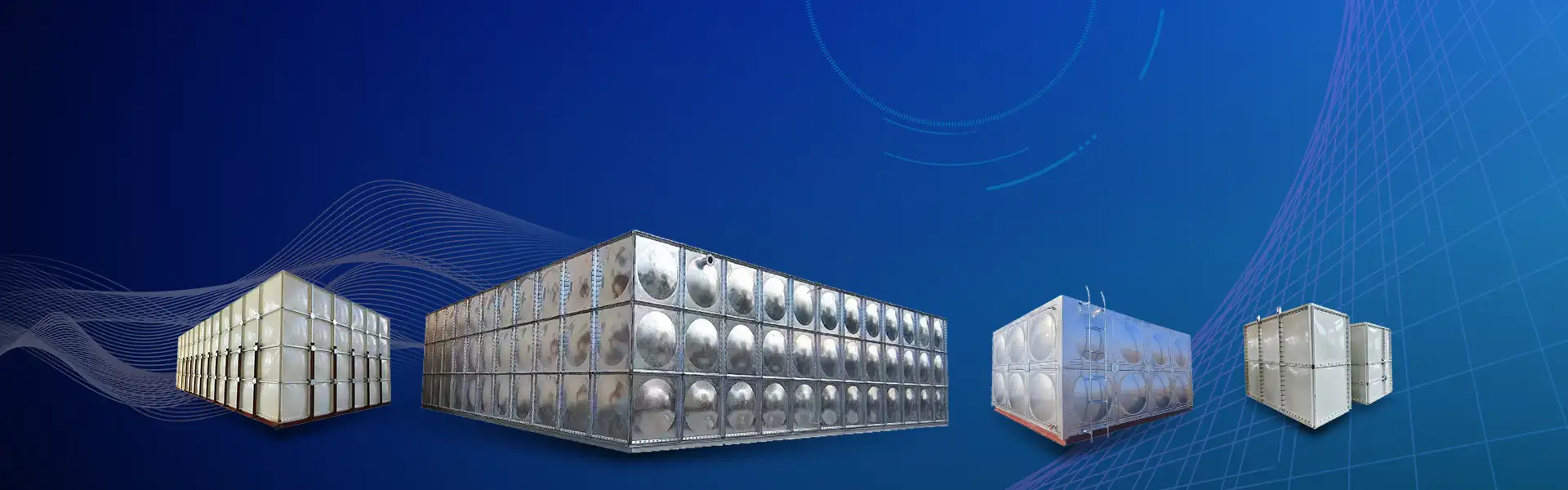
Tank Product Design and Manufacturing Specialist
Xuri Air Conditioning Equipment
Understanding Screw Air-Cooled Chiller Units: Essential Insights for Professionals
Published Time:
2026-08-02
Author:
Source:
Screw air-cooled chiller units play a pivotal role in various cooling applications, particularly in industries such as consumer electronics. These units utilize a screw compressor system, which is known for its efficiency and reliability. The primary function of a chiller is to remove heat from a fluid through a vapor-compression or absorption refrigeration cycle. In air-cooled systems, the heat e
One of the most significant advantages of screw air-cooled chiller units is their energy efficiency. These units operate on a continuous flow principle, which allows for a more consistent performance curve compared to traditional chiller systems. Additionally, the screw compressor design minimizes wear and tear, resulting in lower maintenance costs and extended service life. Professionals in the field appreciate that this reliability translates into reduced downtime and operational costs.
Another critical aspect to consider is the versatility of screw air-cooled chiller units. They are capable of accommodating a wide range of cooling capacities and can be tailored to meet specific requirements. This adaptability makes them ideal for various applications, from cooling large data centers to maintaining optimal temperatures in manufacturing facilities. Furthermore, advancements in technology have led to the development of units equipped with sophisticated control systems, enhancing their operational efficiency and user-friendliness.
The environmental impact of cooling systems is another consideration that professionals must keep in mind. Screw air-cooled chiller units typically use refrigerants that have a lower global warming potential (GWP), aligning with modern regulations and sustainability goals. This is an essential factor for companies looking to improve their environmental footprint while maintaining efficient operations.
Moreover, installation and operational considerations are vital when integrating screw air-cooled chiller units into existing systems. Proper placement and airflow management are crucial to optimize performance. Engineers and technicians should also conduct regular inspections and maintenance checks to ensure that the units operate at peak efficiency, thereby prolonging their lifespan.
In conclusion, screw air-cooled chiller units represent a significant innovation in cooling technology, particularly for the consumer electronics sector. Their energy efficiency, reliability, and adaptability make them a preferred choice for many professionals. As the industry continues to evolve, staying informed about these technologies will be essential for maximizing operational efficiency and promoting sustainable practices. Understanding the intricacies of screw air-cooled chiller units can empower professionals to make informed decisions that enhance their organization's overall cooling strategy.
Keyword:
screw air-cooled chiller unit
Latest News
Inquire about product solutions immediately
If you are interested in our products, please submit your requirements immediately, and we will arrange professionals to serve you.
Factory Address: Luquntun Industrial Development Zone, Wucheng, Dezhou City, Shandong Province