Welcome to Dezhou Xuri Air Conditioning Equipment Co., Ltd!


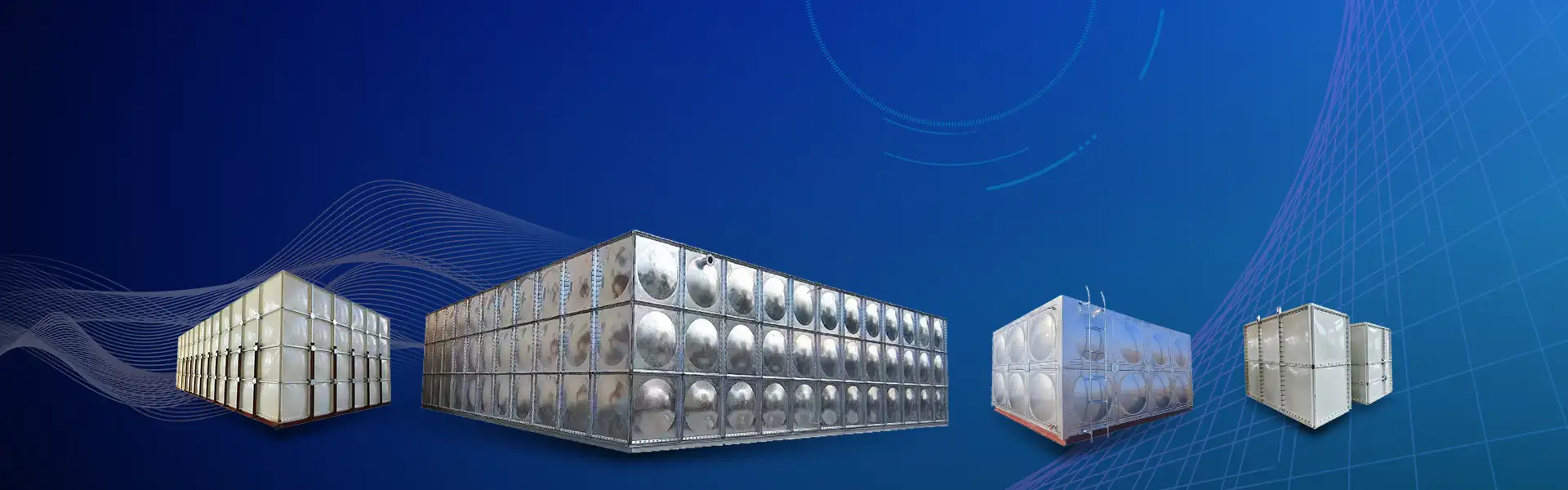
Tank Product Design and Manufacturing Specialist
Xuri Air Conditioning Equipment
Understanding Constant Temperature and Humidity Units: Essential Insights for Professionals
Published Time:
2026-06-21
Author:
Source:
Constant temperature and humidity units (CTH units) are specialized systems designed to maintain stable environmental conditions, specifically temperature and humidity levels, within a controlled space. These units are essential in various industries, including electronics, pharmaceuticals, and food processing, as they help preserve product integrity and ensure quality control. The primary functio
The primary function of a constant temperature and humidity unit is to create and maintain a microenvironment that meets specific requirements. This is achieved through a combination of sophisticated sensors, control systems, and mechanical components, which work together to regulate the temperature and humidity levels. Most units include features such as heating, cooling, and dehumidifying capabilities, allowing them to adapt to changing external conditions and maintain consistency.
One of the key components of CTH units is the humidity control system. This often involves a hygrometer that monitors moisture levels in real-time, ensuring that the environment remains within predetermined parameters. Proper humidity levels are crucial in many applications, as excessive moisture can lead to mold growth, corrosion, and other forms of degradation, especially in sensitive electronic components.
Temperature regulation is equally important in constant temperature and humidity units. A consistent temperature range prevents thermal stress, which can adversely affect electronic devices and other sensitive materials. These units typically utilize advanced thermoelectric, compressor-based, or refrigeration technologies to ensure rapid and precise temperature adjustments.
In addition to their core functions, constant temperature and humidity units are designed with user-friendly interfaces that enable professionals to set and monitor conditions effortlessly. Many modern units also feature remote monitoring capabilities, allowing users to access real-time data and control the environment from off-site. This is particularly beneficial for industries that require rigorous compliance with standards and regulations.
Moreover, energy efficiency is a significant consideration when selecting a constant temperature and humidity unit. Many units are designed with energy-saving technologies that reduce consumption while maintaining optimal performance. This is essential not only for cost savings but also for reducing the environmental impact of operating such systems.
In summary, constant temperature and humidity units play a vital role in ensuring that specific environmental conditions are maintained across various applications, especially within the consumer electronics sector. Understanding the intricacies of these units enables professionals to make informed decisions regarding their implementation and maintenance, ultimately leading to enhanced product quality and operational efficiency. Prioritizing the selection of high-quality CTH units will provide the necessary support to meet the demanding requirements of today's technologically-driven industries.
Keyword:
constant temperature and humidity unit
Latest News
Inquire about product solutions immediately
If you are interested in our products, please submit your requirements immediately, and we will arrange professionals to serve you.
Factory Address: Luquntun Industrial Development Zone, Wucheng, Dezhou City, Shandong Province