Welcome to Dezhou Xuri Air Conditioning Equipment Co., Ltd!


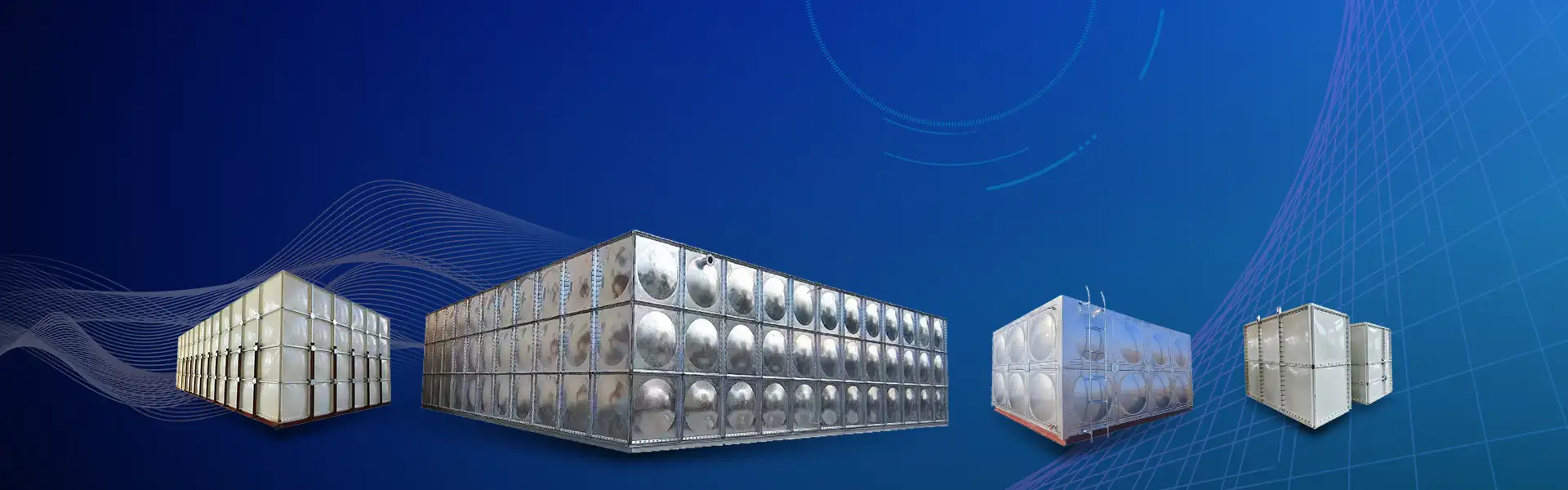
Tank Product Design and Manufacturing Specialist
Xuri Air Conditioning Equipment
Understanding Total Heat Recovery Ventilation Units: A Comprehensive Guide to Energy Efficiency
Published Time:
2026-04-19
Author:
Source:
Understanding Total Heat Recovery Ventilation Units: A Comprehensive Guide to Energy Efficiency Table of Contents 1. Introduction to Total Heat Recovery Ventilation Units 2. What are Total Heat Recovery Ventilation Units? 3. How Do Total Heat Recovery Ventilation Units Work? 4. Benefits of Total Heat Recovery Ventilation Units 4.1 Energy Efficiency 4.2 Enhanced Indoor Air Quality 4.3 Cost Saving
Understanding Total Heat Recovery Ventilation Units: A Comprehensive Guide to Energy Efficiency
Table of Contents
- 1. Introduction to Total Heat Recovery Ventilation Units
- 2. What are Total Heat Recovery Ventilation Units?
- 3. How Do Total Heat Recovery Ventilation Units Work?
- 4. Benefits of Total Heat Recovery Ventilation Units
- 5. Installation Process of Total Heat Recovery Ventilation Units
- 6. Maintenance and Care for THR Units
- 7. Common Misconceptions about THR Units
- 8. The Future of Total Heat Recovery Ventilation Units
- 9. Conclusion
- 10. Frequently Asked Questions
1. Introduction to Total Heat Recovery Ventilation Units
In an era where energy efficiency and indoor air quality are paramount, **Total Heat Recovery Ventilation Units (THRVUs)** have emerged as a critical solution for both residential and commercial spaces. These units not only facilitate ventilation but also recover heat, ensuring that energy is used effectively while maintaining optimal indoor comfort. This article explores the intricacies of THRVUs, offering insights into their functionality, benefits, and installation processes.
2. What are Total Heat Recovery Ventilation Units?
Total Heat Recovery Ventilation Units are engineered systems designed to exchange indoor and outdoor air while simultaneously recovering thermal energy. Unlike standard ventilation systems that may lead to energy loss, THR units capture heat from the outgoing stale air and transfer it to the incoming fresh air. This process is vital in maintaining a balanced indoor climate, especially in extreme weather conditions.
2.1 Key Components of THR Units
Understanding the components of THR units is essential for appreciating their functionality. Key elements include:
- **Heat Exchanger:** The core component where heat transfer occurs. It can be made from various materials that facilitate efficient heat transfer.
- **Fans:** These ensure the movement of air through the system, dictating the flow rates and pressure levels.
- **Filters:** Essential for maintaining air quality, filters capture dust, pollen, and other particles, ensuring clean air circulation.
- **Ductwork:** This network transports air throughout the building, connecting the THR unit to various rooms.
3. How Do Total Heat Recovery Ventilation Units Work?
The operation of a THR unit is relatively straightforward yet effective. Here’s a step-by-step breakdown:
1. **Stale Air Exhaust:** The unit extracts stale air from indoor spaces, typically from areas like kitchens and bathrooms where moisture and pollutants accumulate.
2. **Heat Recovery Process:** As the stale air passes through the heat exchanger, it transfers its heat to the incoming fresh air.
3. **Fresh Air Intake:** Simultaneously, fresh outdoor air is drawn into the system.
4. **Conditioning Fresh Air:** The incoming air, now warmed by the heat recovery process, is filtered and then distributed throughout the building for a comfortable environment.
5. **Balanced Ventilation:** The result is a continuous supply of fresh air without the energy costs associated with heating or cooling it from scratch.
4. Benefits of Total Heat Recovery Ventilation Units
Investing in a Total Heat Recovery Ventilation Unit offers numerous advantages:
4.1 Energy Efficiency
THR units are designed to **maximize energy efficiency** by significantly reducing heating and cooling costs. By recovering up to 90% of the energy from the outgoing air, these systems can lower energy bills and minimize the carbon footprint.
4.2 Enhanced Indoor Air Quality
Indoor air quality is crucial for health and well-being. THR units continuously filter out pollutants, allergens, and moisture, leading to a healthier living or working environment. This is especially beneficial for individuals with allergies or respiratory issues.
4.3 Cost Savings
Although the initial investment in a THR unit may be higher than traditional systems, the long-term savings on energy costs can be substantial. The efficient operation reduces wear and tear on heating and cooling equipment, extending lifespan and minimizing repair costs.
5. Installation Process of Total Heat Recovery Ventilation Units
The installation of a Total Heat Recovery Ventilation Unit involves several critical steps to ensure optimal performance.
5.1 Assessment of Space
Before installation, a thorough assessment of the space is necessary. This involves evaluating the layout, determining the necessary airflow rates, and identifying potential locations for ductwork.
5.2 Choosing the Right Unit
Selecting the appropriate THR unit is crucial. Consider factors such as the size of the space, the specific heat recovery efficiency required, and budget constraints.
5.3 Installation Steps
The installation process typically involves:
1. **Ductwork Installation:** Installing the duct system to connect the THR unit to designated areas.
2. **Unit Placement:** Positioning the THR unit in a suitable location with access to both indoor and outdoor air.
3. **Electrical Connections:** Ensuring that the unit is properly connected to the electrical system for fan and control operation.
4. **Testing and Calibration:** Once installed, the system should be tested and calibrated to ensure it operates at the desired efficiency levels.
6. Maintenance and Care for THR Units
Regular maintenance is essential for the longevity and efficiency of THR units. Here are key maintenance tips:
6.1 Regular Filter Replacement
Filters should be checked and replaced at least every six months to ensure optimal airflow and air quality.
6.2 System Inspection
Conduct annual inspections of the heat exchanger, fans, and ductwork to identify any potential issues or blockages.
6.3 Cleaning the Unit
Periodic cleaning of the unit and ductwork is recommended to remove dust and debris, which can hinder performance.
7. Common Misconceptions about THR Units
Despite their advantages, several myths surround Total Heat Recovery Ventilation Units.
7.1 Myth: THR Units are Expensive to Operate
While the initial cost can be high, the energy savings achieved through efficient operation often negate ongoing costs.
7.2 Myth: They are Noisy
Modern THR units are designed with noise reduction technologies, making them quieter than many traditional ventilation systems.
7.3 Myth: They do not work in cold climates
THR units are highly effective in cold climates, as their heat recovery capabilities significantly reduce the need for additional heating.
8. The Future of Total Heat Recovery Ventilation Units
As technology advances, THR units are expected to become even more efficient and effective. Innovations in materials and controls, such as smart home integration, will enhance their functionality and user experience. The growing emphasis on sustainability will likely drive further adoption of these systems, making them an essential component of modern HVAC solutions.
9. Conclusion
Total Heat Recovery Ventilation Units represent a significant advancement in energy-efficient HVAC technology. By effectively managing indoor air quality and reducing energy costs, these systems provide numerous benefits for both residential and commercial spaces. Understanding their functionality, advantages, and maintenance is vital for anyone considering investing in a THR unit. With the right implementation and care, these systems can enhance comfort, health, and sustainability.
10. Frequently Asked Questions
10.1 What is the primary function of a THR unit?
A THR unit primarily facilitates the exchange of stale indoor air with fresh outdoor air while recovering energy to maintain comfortable indoor temperatures.
10.2 How does a THR unit improve indoor air quality?
By filtering out pollutants and continuously providing fresh air, THR units significantly enhance indoor air quality.
10.3 Can THR units be installed in existing buildings?
Yes, THR units can be retrofitted into existing buildings, although installation may require additional ductwork.
10.4 What maintenance is required for THR units?
Regular filter replacement, system inspections, and periodic cleaning are essential to maintain the efficiency and longevity of THR units.
10.5 Are there any environmental benefits to using THR units?
Yes, THR units reduce energy consumption, which in turn lowers greenhouse gas emissions, contributing to environmental sustainability.
By following this comprehensive guide, one can make informed decisions about Total Heat Recovery Ventilation Units and reap the benefits of improved energy efficiency and air quality.
Keyword:
total heat recovery ventilation unit
Latest News
Inquire about product solutions immediately
If you are interested in our products, please submit your requirements immediately, and we will arrange professionals to serve you.
Factory Address: Luquntun Industrial Development Zone, Wucheng, Dezhou City, Shandong Province