Welcome to Dezhou Xuri Air Conditioning Equipment Co., Ltd!


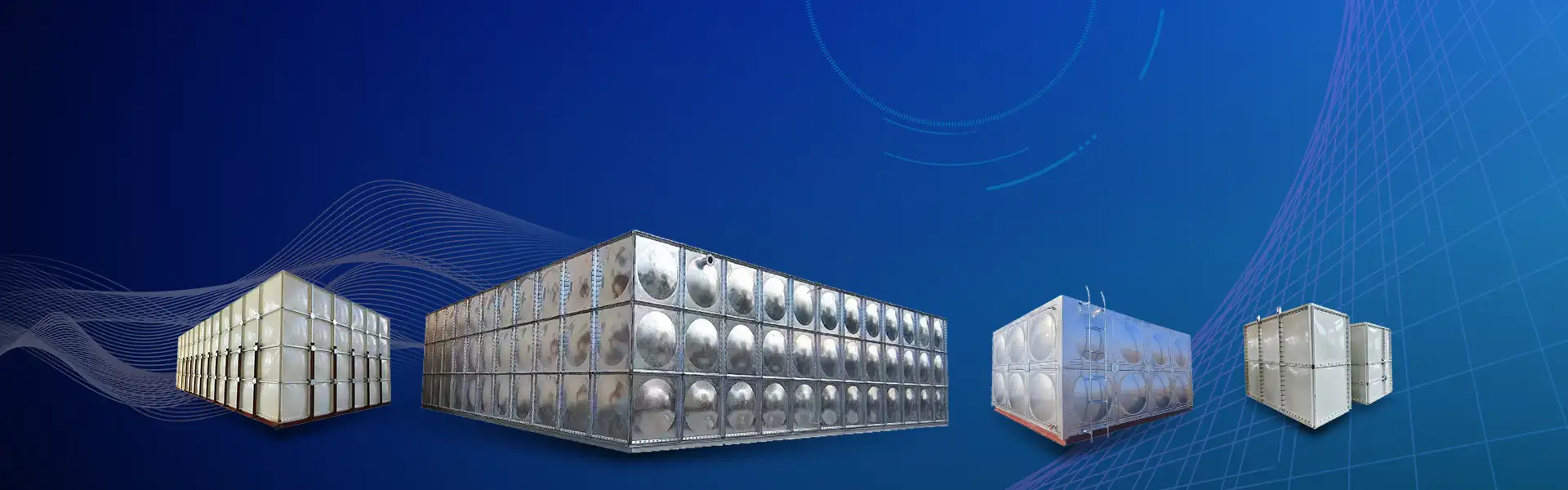
Tank Product Design and Manufacturing Specialist
Xuri Air Conditioning Equipment
Enhancing Indoor Air Quality: The Role of Heat Pump Fresh Air Exchange Units
Published Time:
2026-02-27
Author:
Source:
Heat pump fresh air exchange units are designed to provide efficient ventilation while simultaneously regulating the temperature of incoming air. These systems work by transferring heat from the indoor air to the incoming fresh air or vice versa, ensuring that the energy costs associated with heating or cooling incoming air are minimized. This dual functionality makes them particularly valuable in
One of the significant advantages of heat pump fresh air exchange units is their ability to improve indoor air quality. In modern buildings, which are often sealed to enhance energy efficiency, the risk of indoor air pollution increases due to the accumulation of volatile organic compounds (VOCs), allergens, and other contaminants. By facilitating continuous air exchange, these units help dilute indoor pollutants and introduce fresh outdoor air, which is vital for occupant health and well-being.
Moreover, the energy efficiency of heat pump systems is noteworthy. Traditional ventilation methods can lead to significant energy loss, especially in climates with high temperature differentials. Heat pump fresh air exchange units utilize a heat exchanger to transfer heat effectively, reducing the load on heating and cooling systems. This not only lowers energy consumption but also contributes to sustainability efforts by reducing greenhouse gas emissions associated with excessive energy use.
When considering the implementation of heat pump fresh air exchange units, professionals must evaluate several factors, including the building size, occupancy levels, and specific air quality requirements. Proper sizing and installation are critical to ensure optimal performance. Furthermore, ongoing maintenance is essential to sustain the efficiency of these units, which includes regular filter changes and system checks to prevent the buildup of contaminants.
In conclusion, heat pump fresh air exchange units represent a significant advancement in the HVAC industry, offering a sustainable solution to indoor air quality challenges. Their ability to balance energy efficiency with effective ventilation makes them an ideal choice for contemporary buildings. By investing in these systems, professionals not only enhance occupant comfort but also contribute to long-term environmental sustainability. Understanding their operation and benefits will empower industry professionals to make informed decisions that align with both client needs and environmental goals.
Keyword:
heat pump fresh air exchange unit
Latest News
Inquire about product solutions immediately
If you are interested in our products, please submit your requirements immediately, and we will arrange professionals to serve you.
Factory Address: Luquntun Industrial Development Zone, Wucheng, Dezhou City, Shandong Province