Welcome to Dezhou Xuri Air Conditioning Equipment Co., Ltd!


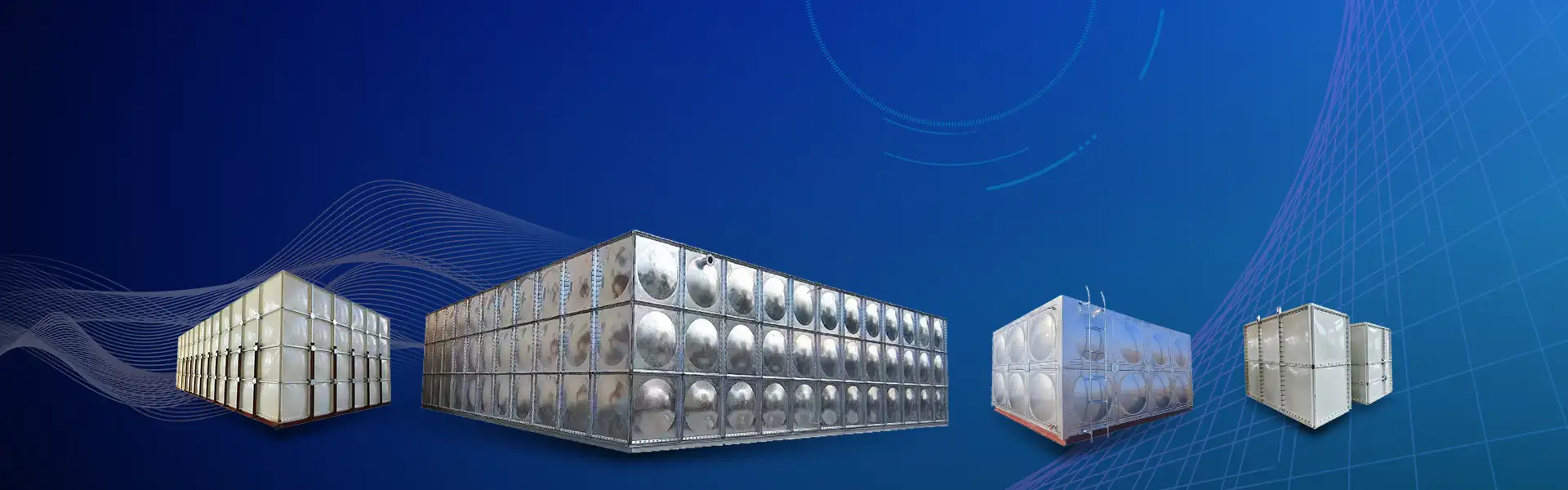
Tank Product Design and Manufacturing Specialist
Xuri Air Conditioning Equipment
Maximizing Efficiency with Total Heat Recovery Ventilation Units
Published Time:
2026-02-21
Author:
Source:
Total heat recovery ventilation units (THRVUs) play a crucial role in modern HVAC systems, particularly in energy-conscious environments. These systems are designed to recover heat from exhaust air, which can significantly enhance indoor air quality and energy efficiency. By understanding their functionality and benefits, professionals in the field can make informed decisions about implementing th
The primary function of a total heat recovery ventilation unit is to transfer heat energy from the outgoing air to the incoming fresh air. This process involves a heat exchanger that allows the two air streams to cross paths without mixing, ensuring that the energy from the exhaust air is used to precondition the incoming air. This not only reduces the energy load on heating and cooling systems but also maintains a comfortable indoor environment.
One of the most significant advantages of THRVUs is their ability to improve energy efficiency. By recovering waste heat, these systems can reduce the reliance on traditional heating methods, leading to lower energy consumption and operational costs. This is especially beneficial in climates with extreme temperatures, where heating or cooling the air can require significant energy input. THRVUs help businesses and homeowners achieve a more sustainable and cost-effective HVAC solution.
In addition to energy savings, total heat recovery ventilation units enhance indoor air quality. By constantly exchanging stale indoor air with fresh outdoor air, these systems help dilute indoor pollutants, reducing the risk of respiratory issues and enhancing overall occupant comfort. This is particularly valuable in spaces such as offices, schools, and healthcare facilities, where air quality can significantly impact productivity and well-being.
Moreover, THRVUs can be integrated into various building types, from residential homes to large commercial structures. Their versatility makes them suitable for both new constructions and retrofitting existing buildings. When properly designed and installed, these systems can be tailored to meet specific ventilation needs while optimizing energy performance.
For professionals in the HVAC industry, understanding the intricacies of total heat recovery ventilation units is essential. These systems not only offer a solution for energy efficiency but also provide an opportunity to improve air quality, meeting the growing demand for healthier indoor environments. By considering the integration of THRVUs, businesses can position themselves as leaders in sustainability and innovation within the HVAC market.
In summary, total heat recovery ventilation units are an essential component of modern HVAC systems, offering significant energy savings and improved indoor air quality. Their ability to efficiently recover heat from exhaust air makes them a valuable investment for both residential and commercial applications, promoting a healthier and more sustainable living and working environment.
Keyword:
total heat recovery ventilation unit
Latest News
Inquire about product solutions immediately
If you are interested in our products, please submit your requirements immediately, and we will arrange professionals to serve you.
Factory Address: Luquntun Industrial Development Zone, Wucheng, Dezhou City, Shandong Province