Welcome to Dezhou Xuri Air Conditioning Equipment Co., Ltd!


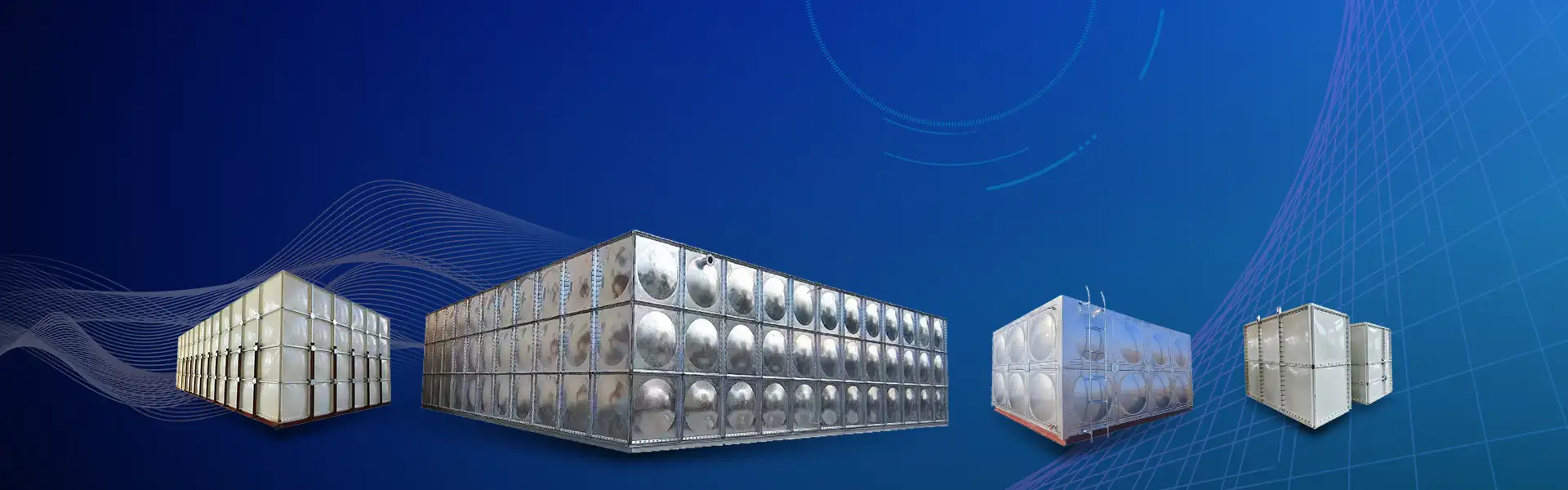
Tank Product Design and Manufacturing Specialist
Xuri Air Conditioning Equipment
Exploring the Durability of Stainless Steel in Welded Water Tanks: A Comprehensive Guide
Published Time:
2026-01-19
Author:
Source:
Exploring the Durability of Stainless Steel in Welded Water Tanks Table of Contents Introduction to Stainless Steel Water Tanks What Is Stainless Steel? Durability of Stainless Steel in Water Tanks Corrosion Resistance of Stainless Steel The Welding Process and Its Impact on Durability Maintenance Tips for Stainless Steel Water Tanks Applications of Stainless Steel Wat
Exploring the Durability of Stainless Steel in Welded Water Tanks
Table of Contents
- Introduction to Stainless Steel Water Tanks
- What Is Stainless Steel?
- Durability of Stainless Steel in Water Tanks
- Corrosion Resistance of Stainless Steel
- The Welding Process and Its Impact on Durability
- Maintenance Tips for Stainless Steel Water Tanks
- Applications of Stainless Steel Water Tanks
- Frequently Asked Questions
- Conclusion
Introduction to Stainless Steel Water Tanks
Stainless steel water tanks have gained immense popularity in recent years due to their robust properties and long-lasting performance. As industries and households seek reliable solutions for water storage, the choice of material becomes crucial. This article delves into the **durability of stainless steel in welded water tanks**, examining the benefits that make it the preferred option for both residential and industrial applications.
What Is Stainless Steel?
Stainless steel is an alloy primarily composed of iron, chromium, and varying amounts of nickel, molybdenum, and other elements. The inclusion of chromium is what distinguishes stainless steel from other steels, granting it remarkable **corrosion resistance** and durability. This unique combination of elements allows stainless steel to withstand harsh environments, making it an ideal choice for water storage tanks.
Types of Stainless Steel
There are several grades of stainless steel used in welded water tanks, each with its own characteristics:
- **304 Stainless Steel**: This is the most common grade, known for its excellent corrosion resistance and good weldability. It is often used in food processing and water storage applications.
- **316 Stainless Steel**: Offering even greater resistance to corrosion, particularly against chlorides, this grade is ideal for marine environments.
- **430 Stainless Steel**: Though less corrosion-resistant than the 300 series, it is often used in applications where moderate corrosion resistance is acceptable.
Durability of Stainless Steel in Water Tanks
The durability of stainless steel in water tanks is often attributed to its inherent properties. Stainless steel can withstand various environmental factors without succumbing to wear and tear. This makes it a cost-effective solution for long-term water storage.
Impact of Temperature Variations
Stainless steel maintains its integrity across a wide range of temperatures. Unlike other materials, it does not become brittle in cold conditions nor does it lose strength in high heat, making it suitable for various climates and applications.
Resistance to Physical Damage
Welded stainless steel tanks are robust and can handle physical impacts better than many alternatives. Their construction process further enhances their durability because welds, when done correctly, create strong joints that resist splitting and leaking.
Corrosion Resistance of Stainless Steel
Corrosion is one of the primary concerns in water storage. Stainless steel stands out due to its ability to resist corrosion, thanks to the formation of a **passive layer** of chromium oxide on its surface. This layer protects the underlying steel from environmental factors.
Types of Corrosion in Water Tanks
Even stainless steel can experience corrosion under specific conditions. Common types include:
- **Pitting Corrosion**: Localized corrosion that leads to small holes in the material, often caused by chlorides.
- **Crevice Corrosion**: Occurs in stagnant water where oxygen availability is low.
- **Galvanic Corrosion**: Arises when two different metals are in contact in a corrosive environment.
Understanding these mechanisms is key to maintaining the integrity of stainless steel water tanks.
The Welding Process and Its Impact on Durability
Welding is a critical aspect of manufacturing stainless steel water tanks. The quality of welding directly affects the tank's durability. Proper techniques ensure that the welds are strong and resistant to corrosion.
Types of Welding Used
- **TIG Welding**: Provides high precision and is often used for thicker materials to create stronger bonds.
- **MIG Welding**: Suitable for faster production and offers good penetration and strength.
Each welding method has its advantages, but choosing the right one depends on the specific requirements of the tank's application.
Maintenance Tips for Stainless Steel Water Tanks
Even though stainless steel is durable, regular maintenance is essential for maximizing its lifespan. Here are some tips to ensure your welded water tank remains in top condition:
Regular Inspections
Conduct periodic inspections to identify any signs of corrosion or wear. Check for any physical damage, especially around weld seams.
Cleaning and Sanitization
Regular cleaning is crucial. Use mild detergents and avoid abrasive cleaners that can scratch the surface. Sanitizing the tank periodically will also help prevent microbial growth.
Monitoring Water Quality
Maintaining the quality of the water stored in the tank is equally important. Regular testing for pH levels and contaminants will ensure the safety of the water supply.
Applications of Stainless Steel Water Tanks
Stainless steel water tanks have a wide range of applications across various industries due to their durability and reliability.
Residential Use
Homeowners often choose stainless steel tanks for their durability and aesthetic appeal. They are used for storing drinking water, rainwater harvesting, and irrigation systems.
Industrial Applications
In industries such as food processing, pharmaceuticals, and chemicals, stainless steel tanks are indispensable due to their resistance to contamination and ease of cleaning.
Agricultural Use
Farmers utilize stainless steel tanks for storing water used in livestock and irrigation, benefiting from their longevity and resistance to environmental conditions.
Frequently Asked Questions
1. How long do stainless steel water tanks last?
Stainless steel water tanks can last for decades, often over 30 years, when properly maintained.
2. Are stainless steel water tanks more expensive than other materials?
While they may have a higher initial cost, their durability and low maintenance make them a cost-effective choice in the long run.
3. Can stainless steel water tanks be recycled?
Yes, stainless steel is highly recyclable, making it an environmentally friendly option.
4. How do I prevent corrosion in my stainless steel water tank?
Ensure regular maintenance, proper cleaning, and monitoring of water quality to minimize the risk of corrosion.
5. Are there any specific regulations governing the use of stainless steel water tanks?
Yes, regulations can vary by region and application; it’s essential to consult local guidelines regarding water storage standards.
Conclusion
In summary, the **durability of stainless steel in welded water tanks** is unmatched, making it an ideal solution for both residential and industrial water storage applications. Its corrosion resistance, ability to withstand extreme conditions, and minimal maintenance requirements position it as a superior option compared to other materials. By understanding the properties and advantages of stainless steel, along with proper maintenance practices, users can enjoy long-lasting and reliable water storage solutions. The investment in stainless steel is indeed a wise choice for anyone looking to secure their water supply with durability and safety in mind.
Keyword:
stainless steel welded water tank
Latest News
Inquire about product solutions immediately
If you are interested in our products, please submit your requirements immediately, and we will arrange professionals to serve you.
Factory Address: Luquntun Industrial Development Zone, Wucheng, Dezhou City, Shandong Province