Welcome to Dezhou Xuri Air Conditioning Equipment Co., Ltd!


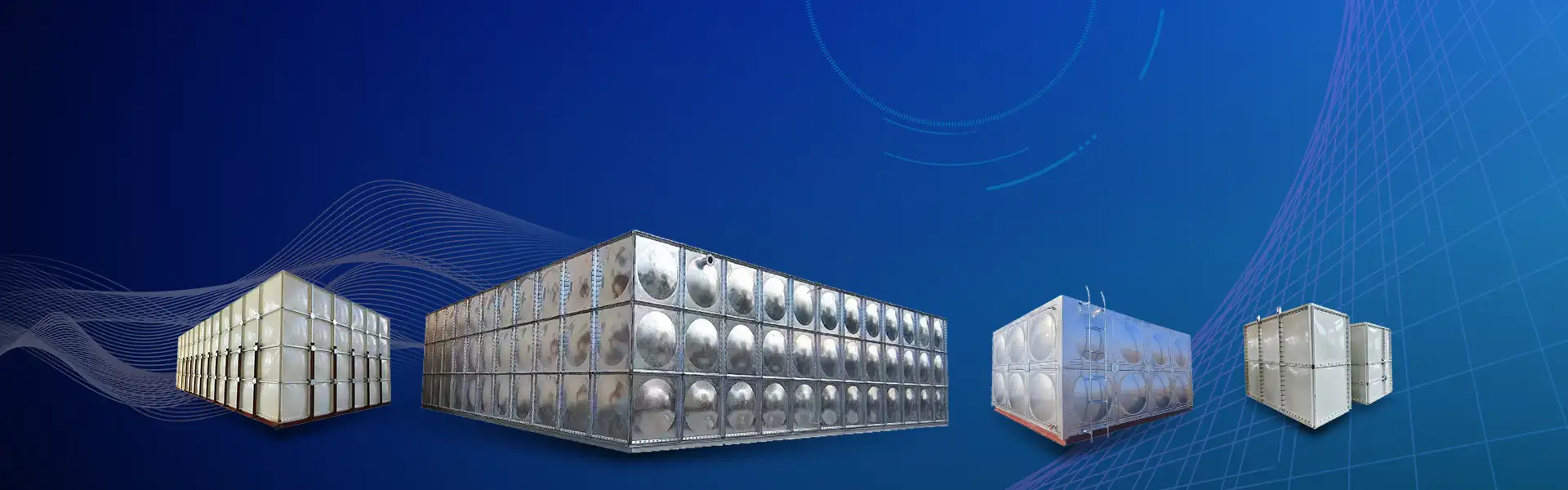
Tank Product Design and Manufacturing Specialist
Xuri Air Conditioning Equipment
Understanding Water Source Heat Pump Units: An Eco-Friendly Heating and Cooling Solution
Published Time:
2025-12-29
Author:
Source:
Water source heat pump units (WSHP) represent a significant advancement in the field of HVAC (Heating, Ventilation, and Air Conditioning) technology, particularly in the context of energy efficiency and sustainability. These systems utilize the thermal energy stored in water sources—such as lakes, rivers, or underground aquifers—to provide heating and cooling. By leveraging the consistent temperat
One of the most appealing aspects of water source heat pump units is their versatility. They can be used in various applications, including residential, commercial, and industrial settings. The ability to tap into an existing water source means that these systems can often provide heating and cooling year-round without the need for fossil fuels. This not only helps in reducing greenhouse gas emissions but also decreases reliance on traditional energy sources, making them an environmentally friendly choice.
The operation of a WSHP unit is based on the principles of thermodynamics. The system extracts heat from the water source during colder months and transfers it indoors to provide warmth. Conversely, in warmer months, the process is reversed, where heat is extracted from the indoor space and released into the cooler water source. This dual functionality makes water source heat pumps an efficient year-round climate control solution.
In terms of installation, while WSHP units may require a higher initial investment compared to conventional systems, their long-term savings on energy bills and maintenance costs often justify the upfront expense. Furthermore, these systems are known for their longevity and reliability, as they have fewer moving parts compared to traditional heating and cooling systems. This durability translates into lower maintenance needs and longer operational lifespans.
Water source heat pump units are also compatible with various renewable energy sources, such as solar or wind power, enhancing their sustainability profile. By incorporating WSHP technology into building designs, property owners can contribute to greener building practices and potentially benefit from energy efficiency incentives offered by governments or utilities.
In conclusion, water source heat pump units are a smart choice for those looking to invest in energy-efficient heating and cooling solutions. Their eco-friendly design, operational efficiency, and versatility make them suitable for a wide range of applications. As the demand for sustainable building technologies continues to grow, WSHP units are poised to play a crucial role in shaping the future of HVAC systems. By considering this innovative technology, you can not only improve comfort but also contribute to a sustainable future.
Keyword:
water source heat pump unit
Latest News
Inquire about product solutions immediately
If you are interested in our products, please submit your requirements immediately, and we will arrange professionals to serve you.
Factory Address: Luquntun Industrial Development Zone, Wucheng, Dezhou City, Shandong Province