Welcome to Dezhou Xuri Air Conditioning Equipment Co., Ltd!


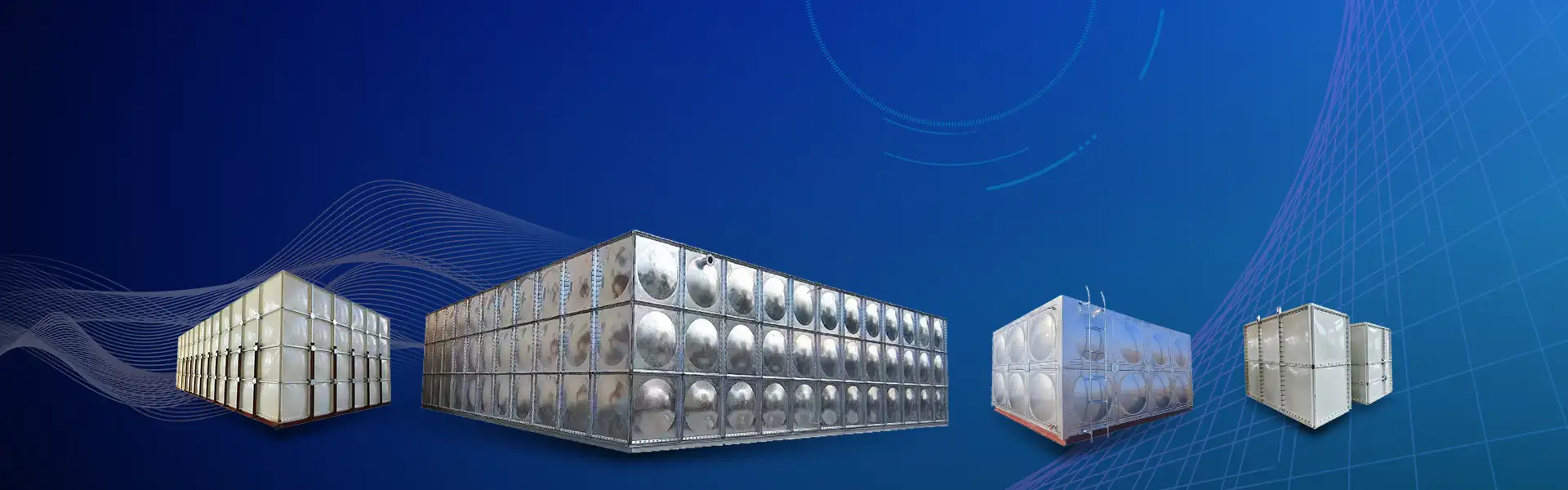
Tank Product Design and Manufacturing Specialist
Xuri Air Conditioning Equipment
Unlocking Efficiency: The Benefits of Total Heat Recovery Ventilation Units
Published Time:
2025-11-20
Author:
Source:
Total Heat Recovery Ventilation Units (THRVUs) represent a significant advancement in the field of indoor air quality and energy efficiency. As the demand for sustainable building solutions continues to rise, understanding the intricacies of THRVUs can help professionals make informed decisions regarding air circulation and energy conservation in their projects. At the core of a total heat recover
At the core of a total heat recovery ventilation unit is its ability to exchange stale indoor air with fresh outdoor air while simultaneously recovering heat from the outgoing air. This process is crucial for maintaining a comfortable and healthy indoor environment, particularly in tightly sealed modern buildings where natural ventilation may be inadequate. By capturing heat from the outgoing air, THRVUs transfer that energy to the incoming air, thereby reducing the load on heating systems during colder months.
The benefits of total heat recovery ventilation units extend far beyond just temperature regulation. One of the primary advantages is the improvement in indoor air quality. By continuously replacing stale air with fresh air, these systems help mitigate pollutants, allergens, and excess humidity, which can lead to health issues for occupants. Moreover, THRVUs can incorporate filters that further enhance air quality by removing particulates and contaminants, providing a healthier living and working environment.
Energy efficiency is another critical aspect of THRVUs. By significantly reducing the energy required to heat or cool incoming air, these systems can lead to substantial energy savings over time. This is particularly relevant in the context of rising energy costs and increasing environmental awareness. Implementing a total heat recovery ventilation unit can contribute to lower operational costs and reduced carbon footprints, making them an attractive option for eco-conscious architects and builders.
In addition to energy savings and improved air quality, THRVUs also promote comfort. A well-functioning ventilation system helps maintain consistent temperatures throughout the space, reducing cold drafts or hot spots that can detract from overall comfort. This is especially important in commercial settings where employee productivity can be affected by the indoor environment.
Lastly, the integration of THRVUs into existing HVAC systems is often straightforward, allowing for seamless upgrades that enhance performance without requiring a complete system overhaul. This adaptability makes them a practical choice for both new constructions and retrofits.
In summary, total heat recovery ventilation units are a smart investment for any professional looking to improve energy efficiency and indoor air quality in their buildings. By understanding the functionality and benefits of THRVUs, professionals can make proactive choices that align with both economic and environmental goals.
Keyword:
total heat recovery ventilation unit
Latest News
Inquire about product solutions immediately
If you are interested in our products, please submit your requirements immediately, and we will arrange professionals to serve you.
Factory Address: Luquntun Industrial Development Zone, Wucheng, Dezhou City, Shandong Province