Welcome to Dezhou Xuri Air Conditioning Equipment Co., Ltd!


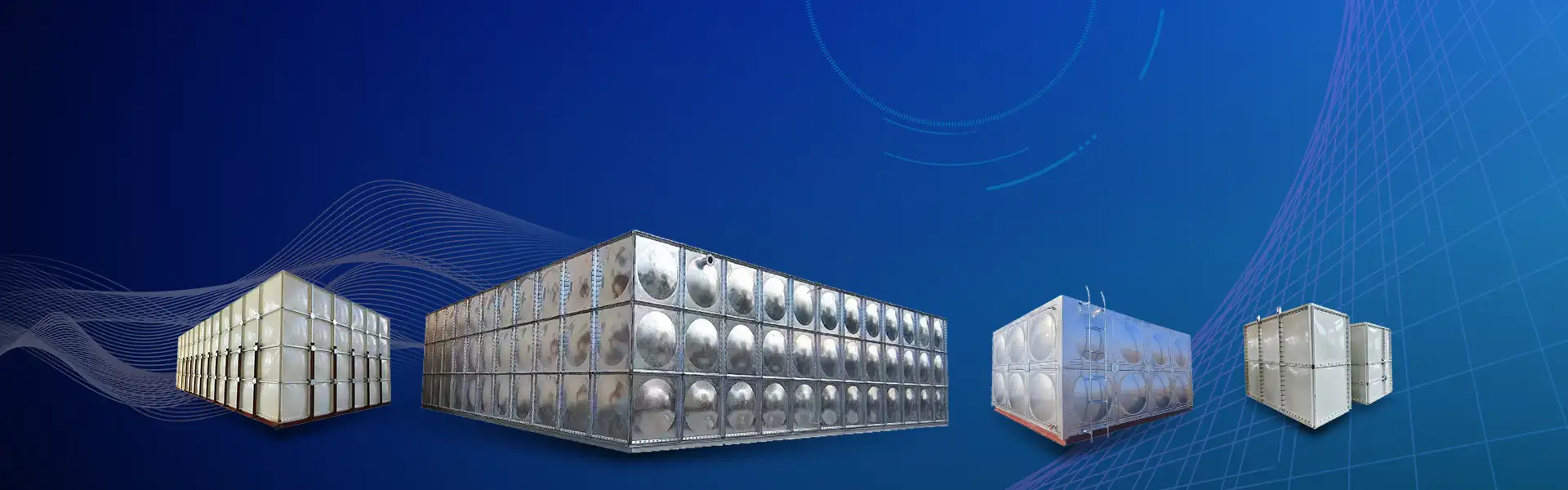
Tank Product Design and Manufacturing Specialist
Xuri Air Conditioning Equipment
Understanding Total Heat Recovery Ventilation Units: Enhancing Indoor Air Quality and Energy Efficiency
Published Time:
2025-11-14
Author:
Source:
Total heat recovery ventilation units, often abbreviated as THRVUs, represent an advanced solution for improving indoor air quality while ensuring energy efficiency in residential and commercial spaces. These units work by exchanging heat between incoming and outgoing air, allowing for effective ventilation without losing valuable thermal energy. As energy costs continue to rise, understanding and
The primary function of a total heat recovery ventilation unit is to provide consistent ventilation while minimizing energy loss. Traditional ventilation systems often expel heated or cooled air, which can significantly increase energy consumption. In contrast, THRVUs capture the heat from the outgoing stale air and transfer it to the incoming fresh air. This process not only helps to maintain a comfortable indoor temperature but also reduces the workload on heating and cooling systems, resulting in lower energy bills.
One of the most notable advantages of using a THRVU is its ability to enhance indoor air quality. By continuously replacing stale air with fresh, filtered air, these units help in reducing the concentration of indoor pollutants, allergens, and moisture. This is particularly beneficial for individuals with respiratory issues or allergies, as it contributes to a healthier living environment. Furthermore, the filtration systems in THRVUs can capture dust, pollen, and other particulates, ensuring that the air circulating within your space is clean and safe to breathe.
In addition to improving indoor air quality, total heat recovery ventilation units also contribute to energy efficiency in various ways. By reducing the reliance on heating and cooling systems, these units can help to lower overall energy consumption. This is especially important in regions that experience extreme temperatures, where maintaining a comfortable indoor climate can be challenging and costly. Incorporating a THRVU into your HVAC strategy can lead to significant long-term savings and a reduced carbon footprint.
When considering the installation of a total heat recovery ventilation unit, it's essential to evaluate your specific needs and the size of the area you wish to ventilate. Proper installation and system sizing are crucial to ensure optimal performance. Additionally, regular maintenance is necessary to keep the unit running efficiently and to prolong its lifespan.
In summary, total heat recovery ventilation units offer a practical solution for improving indoor air quality while enhancing energy efficiency. By understanding how these systems operate and the benefits they provide, you can make informed decisions that lead to a healthier and more sustainable living environment. Whether you're looking to upgrade your existing ventilation system or considering new construction, THRVUs are worth exploring for their potential to transform your space.
Keyword:
total heat recovery ventilation unit
Latest News
Inquire about product solutions immediately
If you are interested in our products, please submit your requirements immediately, and we will arrange professionals to serve you.
Factory Address: Luquntun Industrial Development Zone, Wucheng, Dezhou City, Shandong Province